Ferns across Formats
How turf squares became a postcard.
Category
Words by
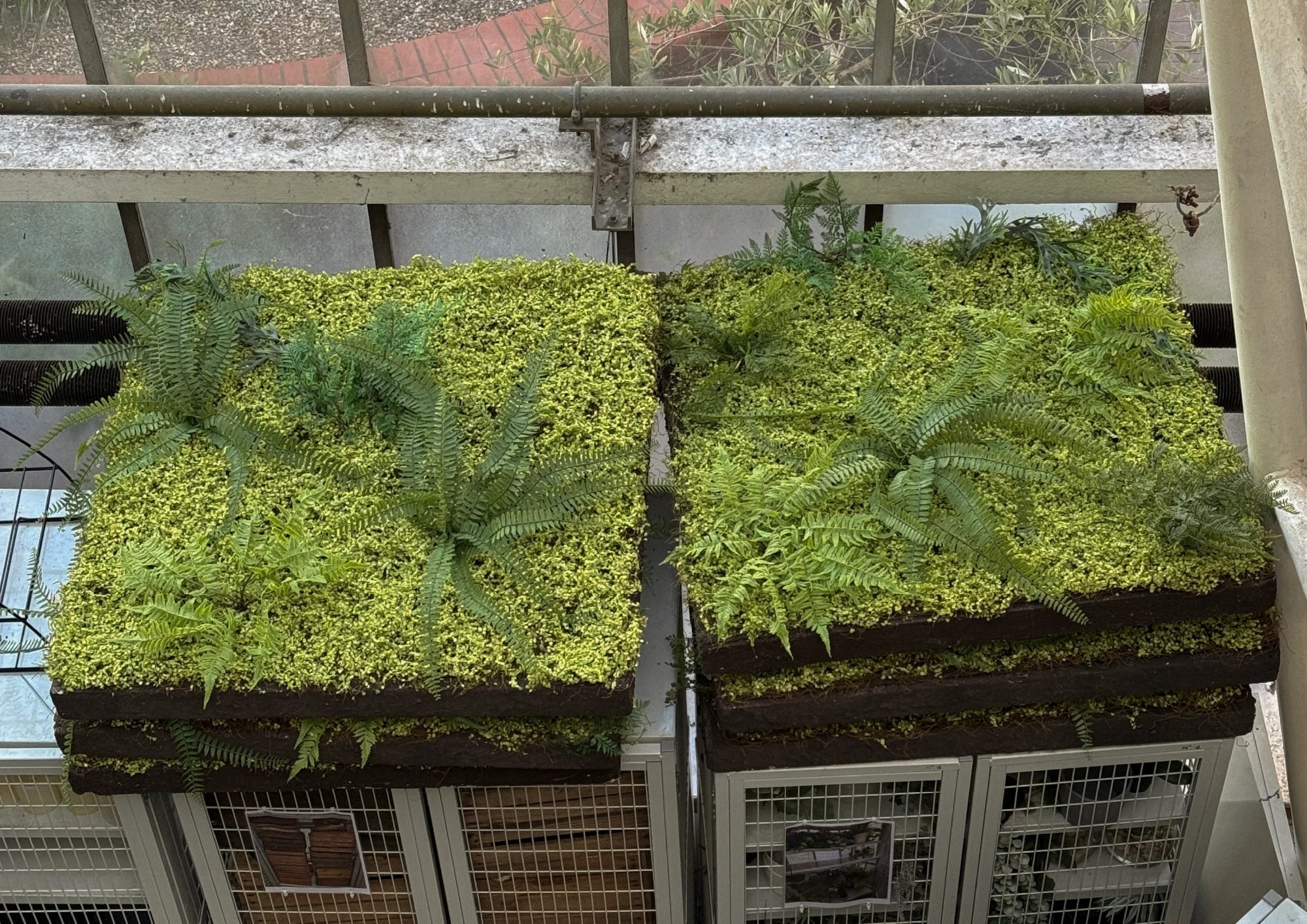
Turf squares, Barbican Conservatory. April 2025.
I spent a long time looking at a square of turf at the Barbican Conservatory, moss and fern set into it. I did not know why it held me. Not grass, not flowers, just a block of soil and green cut into a square. It took a while to realise what had caught me was the fern pushing up through the middle of it.
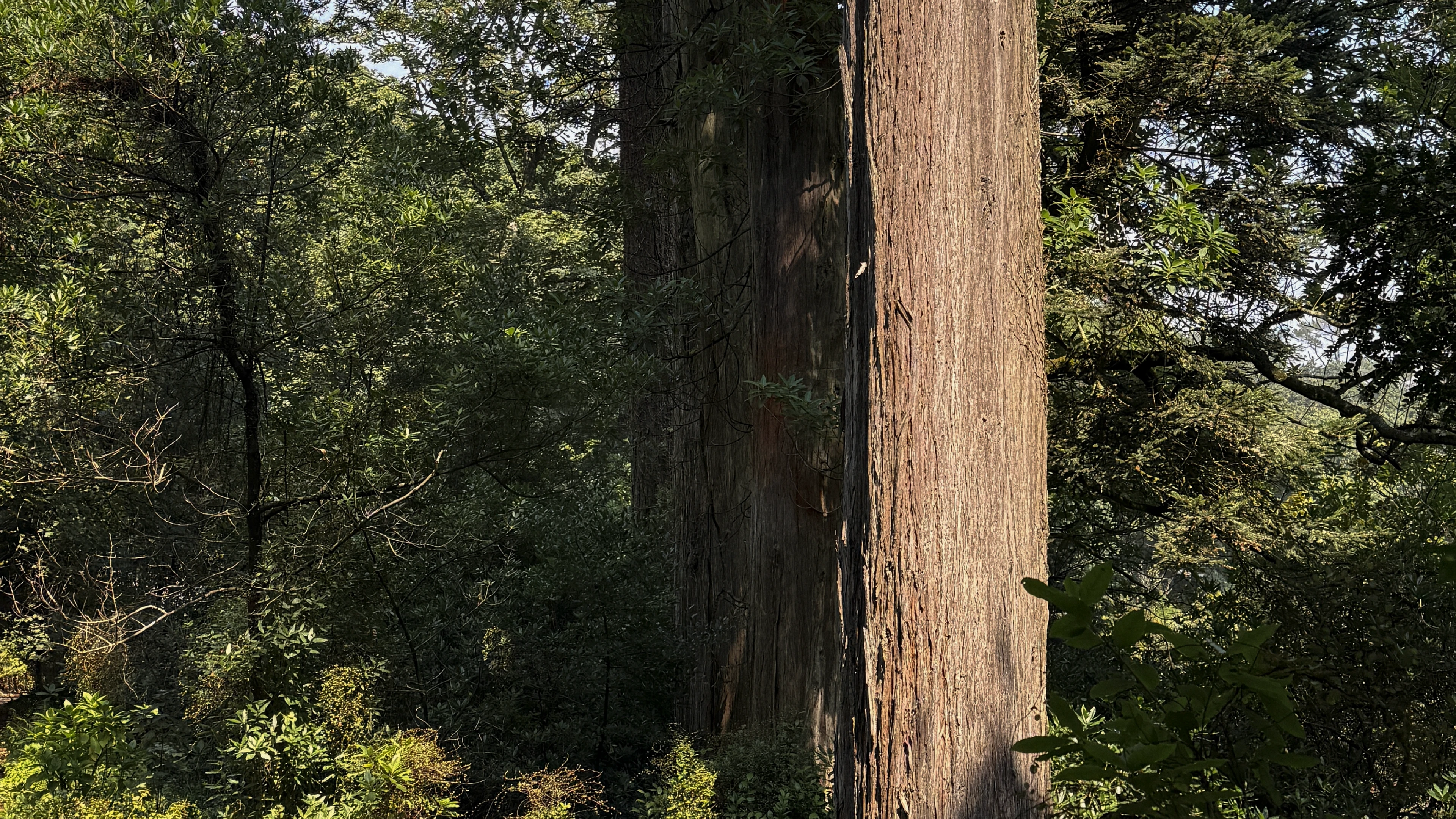
It was not so strange. Ferns are everywhere. In pots, along the base of walls, all over the hills. When people want to fill something with green the easy way, a fern is what they reach for. This common plant, around since ancient times, is the very thing nobody stops to look at, precisely because it is everywhere. Nor did I. And then, in front of that square, it dawned on me that ferns had been in every place I had been.
Archive
I went through my camera roll. Ten years of it, 2015 to 2025. The UK, the US, South Korea, Bulgaria, Iceland… On trips, in glasshouses, on the street, ferns I had photographed without meaning to kept turning up. I had not even taken them because they were ferns. They had simply caught my eye, and ten years had piled up. Gathered in one place, they became an archive. Nothing special, just the ferns I had walked past all this time.
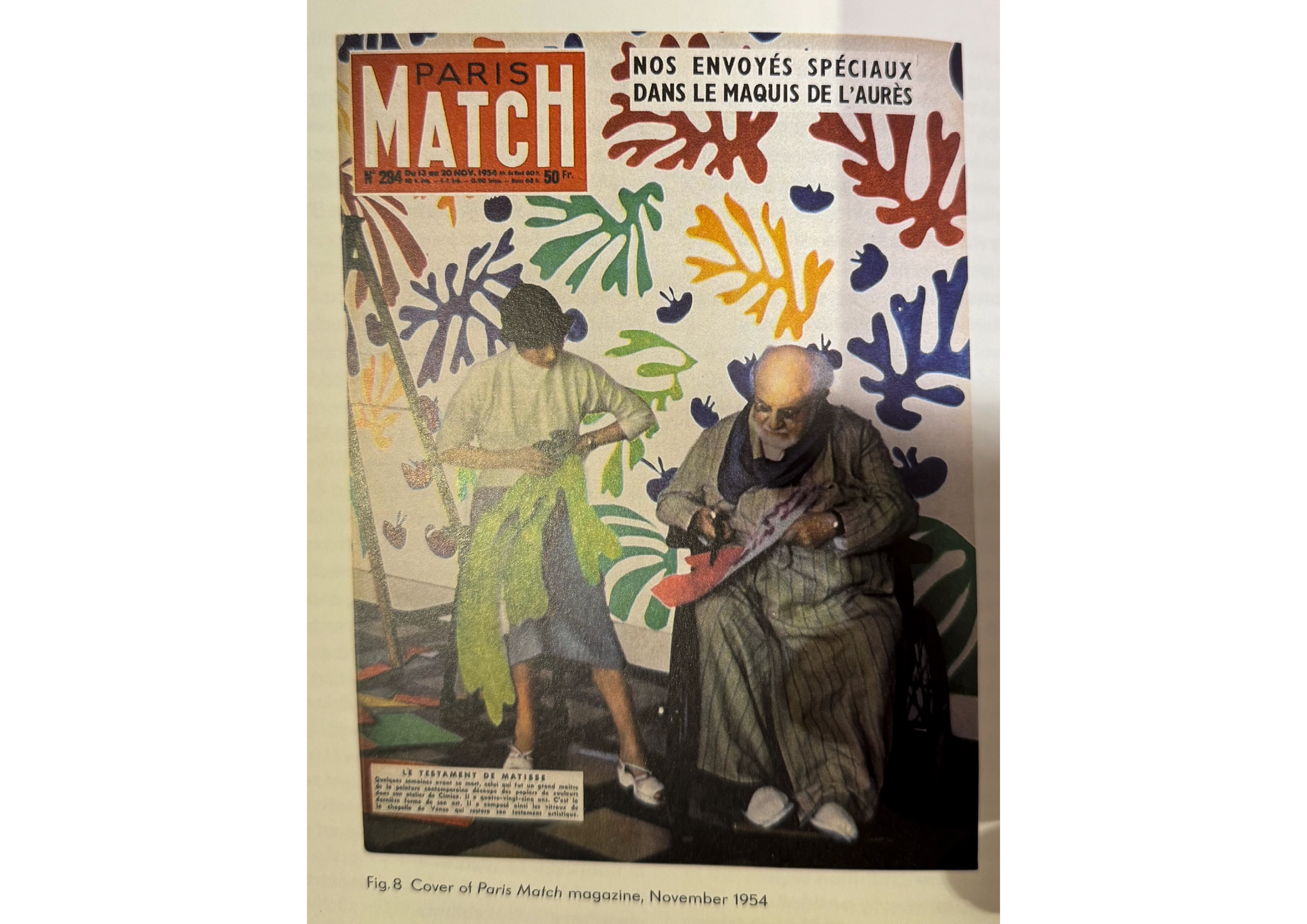
It brought something else to mind. Henri Matisse's La Gerbe (The Sheaf), 1953. Late in life, Matisse cut it out from the plant memories in his head. Critics still disagree on what it was actually drawn from. Some see ferns, some coral, some tropical growth. Whatever it was, the shape had clearly stayed with him a long time.

Translate
Once they were gathered, leaving them in a camera roll no longer felt like the end of it. So I moved the photographs into postcards, and the postcards into a short-form video. The same clump of ferns carried on, changing form as it went.
I was reading David Joselit's After Art, and a line stopped me. He was quoting Pierre Huyghe, from a 2004 interview with George Baker: "I am interested in an object that is in fact a dynamic chain that passes through different formats." An object as a dynamic chain, running on through one format after another. That was what Joselit's book was getting at too. The power of an image does not sit in a fixed, discrete object. Think in formats, not medium. An image gathers force as it moves across forms and circulates. Joselit sees this circulation as a kind of currency. As money has to move to keep an economy going, an image gains force the more forms and places it passes through. Not because the original is precious, but because it travels.
So being common was never a weakness. That ferns are everywhere, that nobody stops to look, only meant they were an image that could be moved and spread without limit.
Produce
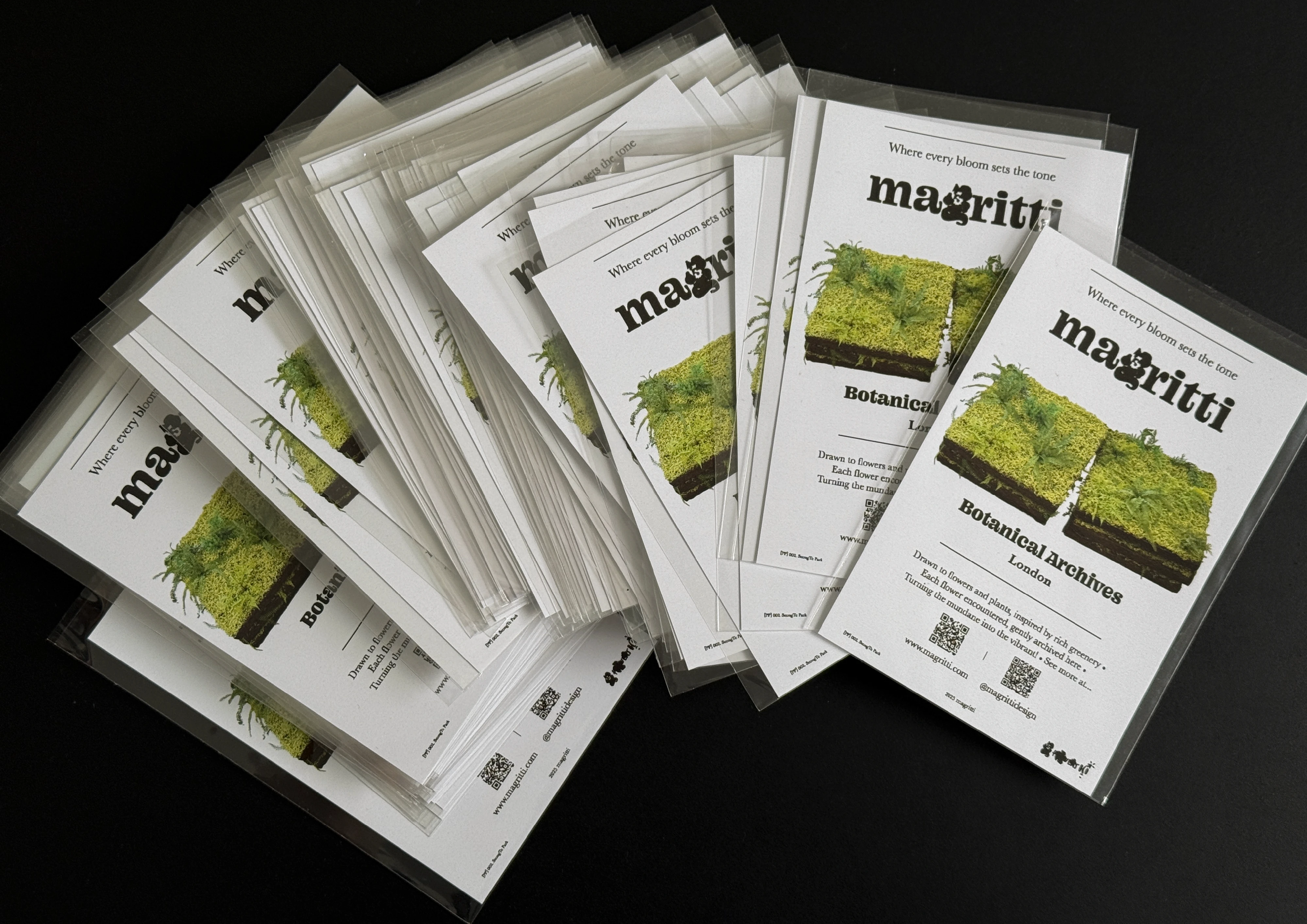
From there I printed them as postcards and made them into a Reel for Instagram. A fern that had caught my eye by chance passed through my hands, became merch carrying the magritti identity, and went back out in front of people. It does not end at gathering. It becomes something only when it is moved, made, and sent back out.
The postcard went on to travel with the magritti merch, tucked in with each order of clothing. An image that does not resolve in a single sentence, still.